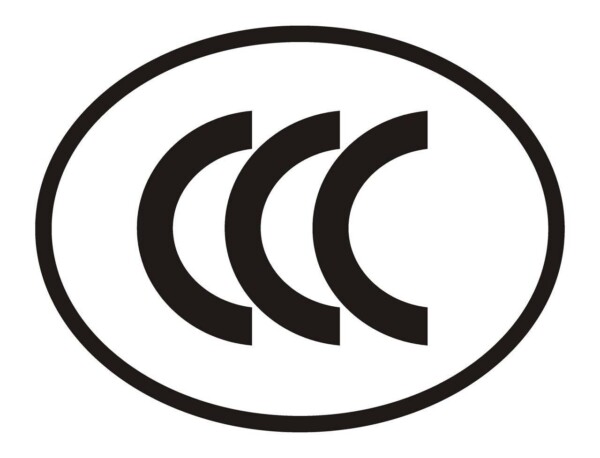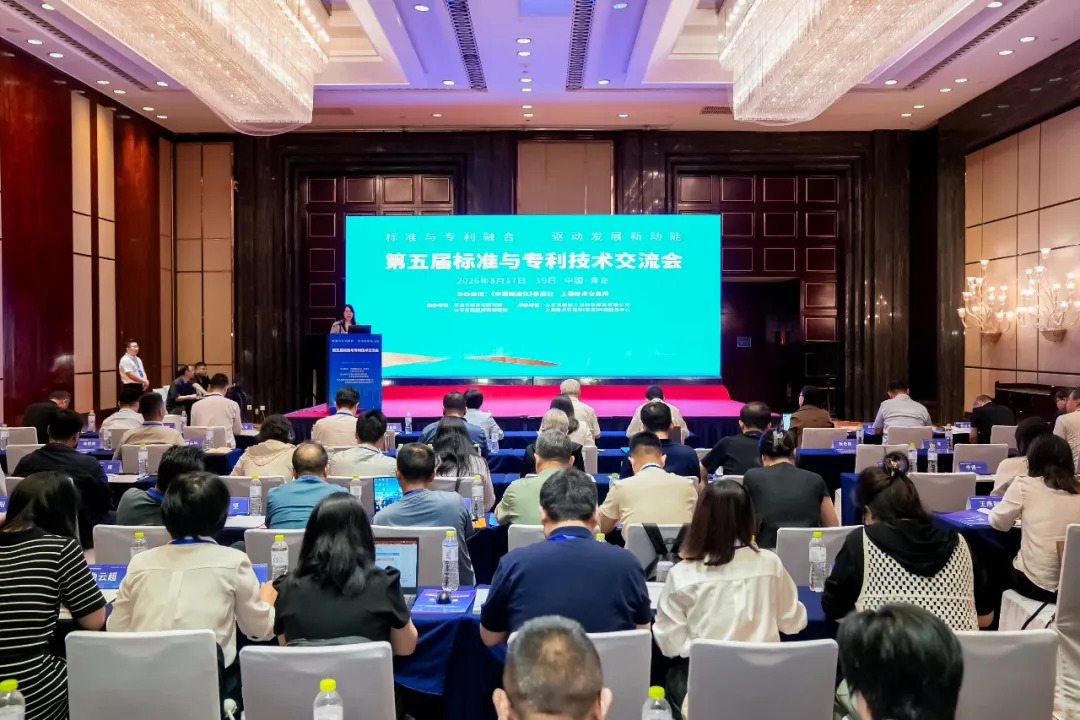
On 20 March 2026, the State Administration for Market Regulation held its quarterly press briefing, covering a range of topics including updates on national standardization, metrology, and the China Compulsory Certification (CCC) system.
National Standards and Metrology Developments
Since the beginning of 2026, China has issued 798 national standards across areas such as emerging technologies, transport and logistics, workplace safety, and consumer-related sectors. In parallel, 32 national metrology technical specifications have been released, covering fields including intelligent and connected vehicles (ICVs), life sciences, smart metering, and physical and chemical measurement.
These developments highlight the continued role of standardization and metrology as key policy tools to support industrial upgrading and technological advancement. The emphasis on “high standards” and “precise measurement” reflects an integrated approach in which standards underpin both innovation and regulatory oversight.
CCC Pilot Reform: Introduction of Traceable QR Codes
SAMR also announced the implementation of a pilot reform of the CCC marking system, effective from 1 March 2026. The pilot covers 3 product categories comprising 11 product types, including power banks, electric bicycles and their safety-related components, and gas-burning appliances and their accessories.
The reform aims to strengthen the CCC system, reinforce manufacturers’ responsibility for product quality and safety, and address issues such as counterfeit certification marks and fraudulent certification practices.
Key features of the reform include:
- Integration of a traceable QR code into the existing CCC mark, creating a data chain linking certified product, manufacturer, certificate, issuing body;
- Real-time verification through a single scan, enabling access to certification validity, product specifications, manufacturer information, and issuing body details;
- Enhanced traceability, allowing verification of authenticity and clearer allocation of responsibility;
- Provision of QR code labels free of charge by certification bodies to certified enterprises for printing or marking on products;
- A 12-month transition period: Starting from 1 March 2027, all products within the pilot scope must carry the traceable CCC mark before being placed on the market.
According to SAMR, the first batch of products incorporating the new CCC QR code has already entered the market. The authority plans to further expand the pilot and refine the system based on implementation experience.
Strengthened Enforcement and System Integration
In parallel, SAMR highlighted ongoing efforts to strengthen enforcement against false testing reports and misleading certification claims, particularly in e-commerce and live-streaming environments. Measures include enhanced digital monitoring, verification mechanisms, and stricter oversight of certification-related information.
These developments point to a more integrated regulatory approach in China, where standardization, conformity assessment, and market surveillance are increasingly interconnected. For international stakeholders, this signals growing importance of digital traceability, stricter verification of conformity documentation, and closer alignment between technical standards and enforcement practices.