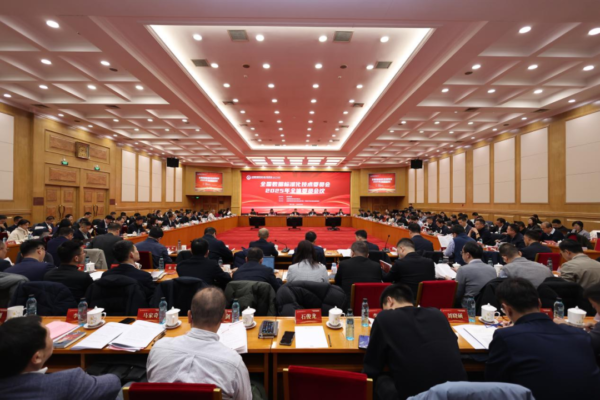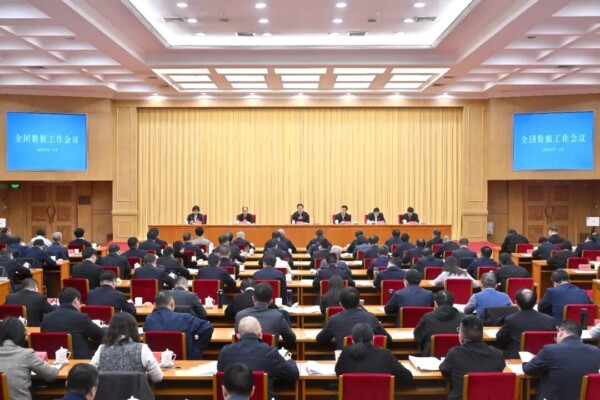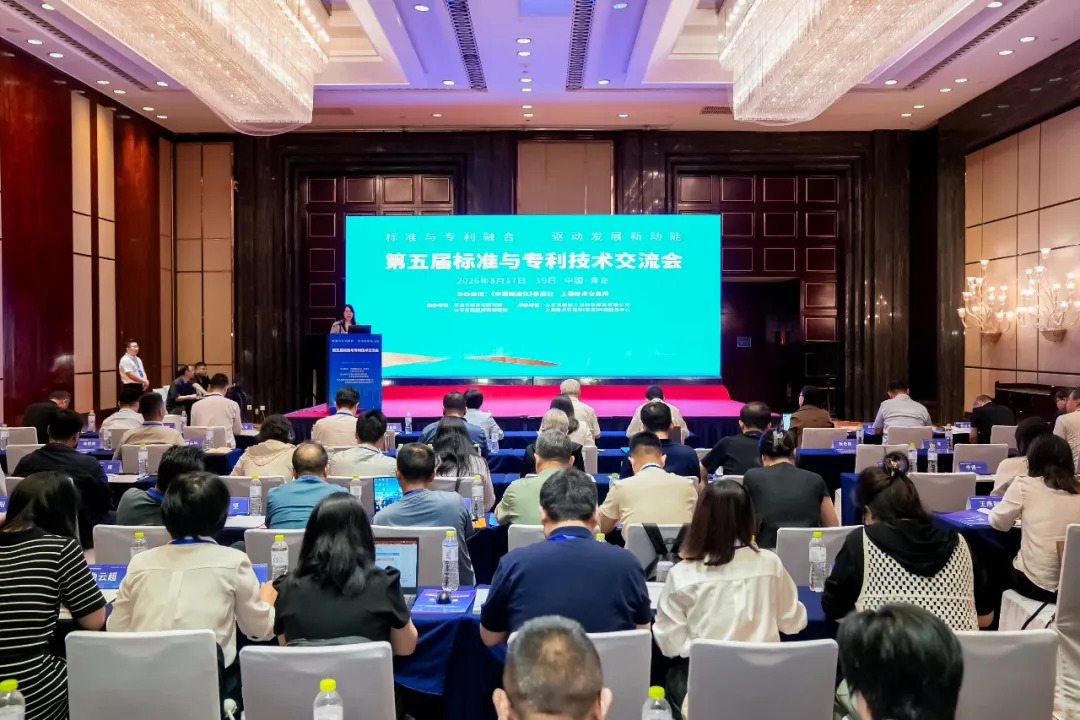
On 18 May 2026, the National Standardization Technical Committee of Data (SAC/TC609) launched its first Standards Week of 2026. Mr. Liu Liehong, Administrator of the National Data Administration (NDA), addressed the opening ceremony.
Mr. Liu noted that since its establishment, SAC/TC609 has steadily matured its standardization framework. Standard output has risen in both volume and quality, real-world application has visibly deepened, and international reach has continued to expand. Against a backdrop of accelerating technological revolution and industrial transformation, artificial intelligence is evolving at an unprecedented pace. Token-based AI and large models are charting new frontiers for data value release, while data resources maintain rapid growth. The explosive adoption of AI agents and other intelligent applications is fueling gigawatt-level demand for computing power, making data standards more consequential than ever for technological progress and industrial upgrading.
Looking ahead, Mr. Liu outlined 4 priority areas for the SAC/TC609’s work.
- Build a multi-stakeholder governance framework to consolidate broad-based support for standardization.
- Optimize standards supply by accelerating the release and implementation of priority standards already under development, ensuring that formulation work aligns with national data policy timelines.
- Strengthen the promotion and real-world deployment of national standards and guiding technical documents, keeping standards development in lockstep with rapid technological iteration.
- Deepen international cooperation in data standardization by actively translating China’s mature data technologies, governance models, and practical experience into internationally recognized standards.
From 19 to 22 May, SAC/TC609 working groups and industry panels convened for four days of intensive deliberation on 89 standards and 41 technical documents.
The event brought together senior officials from 11 central ministries and agencies, including the Ministry of Industry and Information Technology, the Ministry of Public Security, the Ministry of Human Resources and Social Security, the Ministry of Natural Resources, the Ministry of Commerce, the Ministry of Emergency Management, and the State Administration for Market Regulation, alongside the Chinese Academy of Sciences, the China Meteorological Administration, the National Disease Control and Prevention Administration, and the National Medical Products Administration.