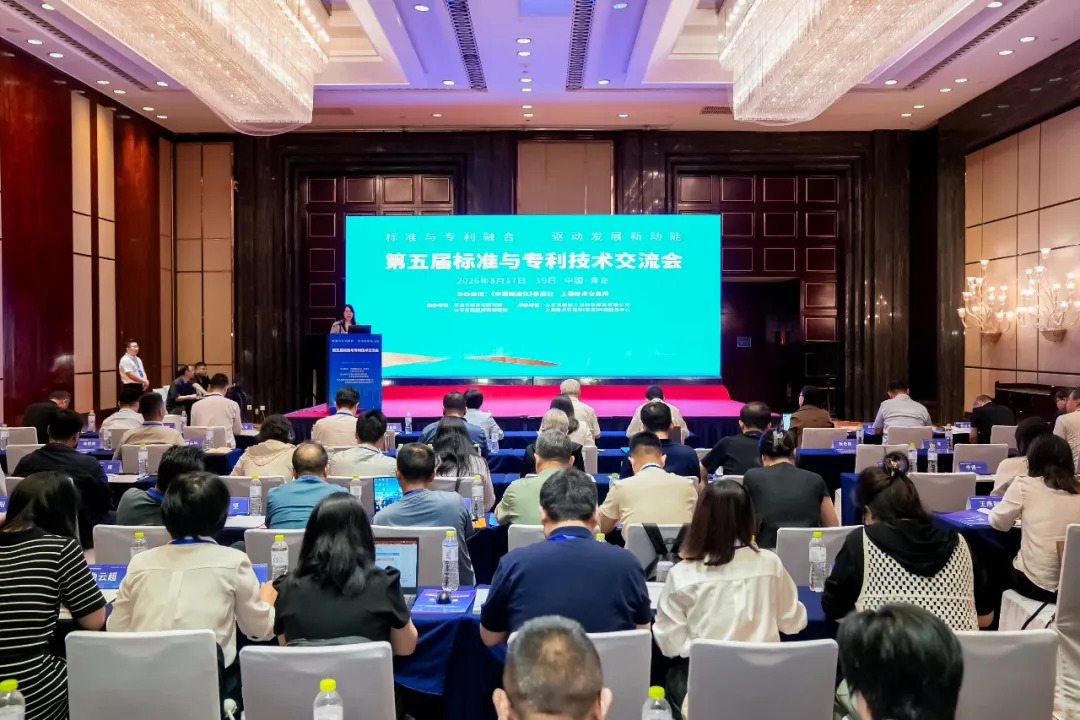
On March 30, 2026, the World Data Organization (WDO), the first professional international body dedicated to data development and governance, was formally established in Beijing. The event was attended by senior Chinese government officials, representatives from member countries, and international observers — including MUHAMMADOU M.O. KAH, Chair of the UN Commission on Science and Technology for Development and Vice Chair of the UN Data Governance Working Group.
The WDO, regarded as the “WTO for data”, is structured as a non-governmental, non-profit, professional body. Its stated mission is threefold: “Bridging the data divide, unlocking data value, and powering the digital economy.” The organization is headquartered in Beijing and will operate under a governance structure comprising a general assembly, a council, a secretariat, and a supervisory board. Tan Tieniu, Party Secretary of Nanjing University and an academician of the Chinese Academy of Sciences, has been elected as the inaugural Chairman. Yang Jie, former Chairman of China Mobile, serves as Secretary-General. Both have extensive experience in digital infrastructure, telecoms regulation, and cross-sector innovation.
As of launch day, the WDO has onboarded over 200 core members from more than 40 countries, covering 14 sectors — including manufacturing, finance, healthcare, retail, logistics, energy, automotive, education, and legal services — with enterprises accounting for nearly 70% of membership. Notable members include the 48 Group Club (UK), though the full list of specific member institutions has not yet been released by the WDO.
According to the organization’s founding charter, the WDO will:
- Conduct policy research, build a global rule repository, provide compliance services, foster trust, reduce divergence, integrate rules, and deepen global data cooperation
- Unleash data value through research and open-source communities
- Provide global training and certification
- Promote healthy industry growth
- Enable secure, trusted data flow via innovation and certification
- Host World Data Congress to build consensus
- Undertake member-assigned missions
The establishment of the WDO serves three main purposes. First, it aims to bridge the global data divide by promoting technology sharing and infrastructure connectivity, helping developing countries enhance their data governance capacity and share in the digital dividend. Second, it seeks to unlock the value of data as a new factor of production by addressing fragmented rules and inconsistent standards, thereby reducing cross-border compliance costs for multinational enterprises. Third, against the backdrop of sluggish global economic growth, the WDO provides a new platform for international industrial cooperation, facilitating efficient data flows and collaborative governance to help drive the growth of the digital economy worldwide.
China’s proposal to establish a World Data Organization (WDO) reflects its ambition to play a leading role in shaping global data governance in the digital economy. As data becomes a critical strategic resource, China sees the current international landscape as fragmented, with no unified framework governing cross-border data flows, data security, and digital trade.
The WDO concept aims to promote a multilateral approach to data governance, similar to the role of the WTO in global trade. Through this platform, China seeks to advance principles such as data sovereignty, secure and orderly cross-border data flows, and respect for national regulatory frameworks. This aligns with its domestic regulatory approach, which emphasizes state oversight and security considerations.
At the same time, the WDO would support China’s broader objective of increasing its influence in international standardization, particularly in areas such as AI, industrial data, and digital infrastructure. By shaping governance frameworks and technical norms, China could strengthen the global relevance of its standards and regulatory models.
Geopolitically, the initiative also positions China as a key player in offering an alternative to existing Western-led approaches, particularly for developing countries.
Source: https://www.nda.gov.cn/sjj/swdt/mtsy/0401/20260401222231639302113_pc.html