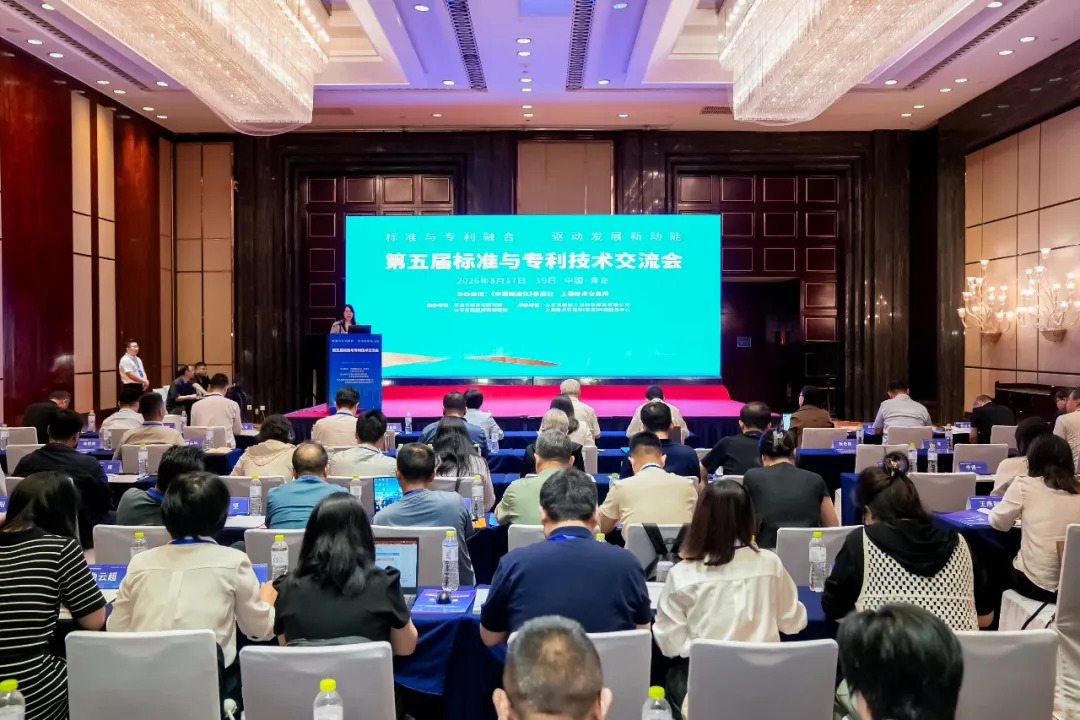
On April 10, 2026, the Subcommittee on Electric Vehicles of the National Technical Committee for Auto Standardization (SAC/TC114/SC27), in collaboration with the National Technical Committee for Carbon Management Standardization (SAC/TC548), held a hybrid national standards review meeting in Beijing. The meeting focused on three national standards related to the carbon footprint of electric vehicles and their core components, including:
- 20243770-T-339 Greenhouse gases – Quantification methods and requirements for carbon footprint of products – Electric vehicles
- 20243775-T-339 Greenhouse Gases – Quantification methods and requirements for carbon footprint of products – Traction batteries used in electric vehicles
- 20243773-T-339 Greenhouse Gases – Quantification methods and requirements for carbon footprint of products – Driving motors used in electric vehicles
The three reviewed standards, which are developed under the methodological framework of GB/T 24067 Greenhouse gases – Carbon footprint of products – Requirements and guidelines for quantification (a modified adoption of ISO 14067 Greenhouse gases – Carbon footprint of products – Requirements and guidelines for quantification), specify product-specific requirements for quantifying the carbon footprint of electric vehicles, traction batteries, and drive motors. Each standard covers key aspects including the goal and scope definition, life cycle inventory analysis, life cycle impact assessment, life cycle interpretation, and the preparation of carbon footprint reports. Once implemented, these standards will provide a unified methodological basis for carbon footprint accounting across the electric vehicle supply chain.
After processes including presentations by the drafting units, inquiries and questions from committee members, and responses from the drafting units, the three standards were ultimately approved for review. In the next steps, the SAC/TC114/SC27 will expedite the submission and approval process for the standards.
Notably, the carbon footprint standard for traction batteries (20243775-T-339) will serve as the direct reference for the carbon footprint declaration of electric vehicle traction batteries, a regulatory exercise organized by the Ministry of Industry and Information Technology (see more detail from our news coverage). This means that for all traction battery products sold within the Chinese market, carbon footprint accounting will be uniformly conducted using the methodology prescribed by this standard. The standard establishes a consistent and regulated framework for carbon data management for domestic enterprises, while also providing a technical reference method to facilitate alignment with international green trade requirements such as the EU Battery Regulation (Regulation (EU) 2023/1542). It marks the beginning of a new phase for China’s traction battery industry, characterized by law-based governance and a unified measuring stick for carbon data within the domestic market.
Given that the standards have entered the approval stage and is about to be implemented, European companies are advised to conduct a comparative analysis between the relevant EU methodology and the corresponding Chinese national standard on differences in accounting boundaries, emission factors, and data quality requirements; and establish a carbon data management system in China in line with the new national standard to ensure that local joint ventures and suppliers have the capability to provide compliant verification report.
For those interested in a deeper understanding of China’s carbon footprint policies and standardization, as well as a comparative analysis of EU-China carbon footprint accounting for EV traction batteries, please kindly refer to our webinar SESEC Webinar 01 – China Carbon Footprint Standardization and Certification. The presentation slides and recording are available here.