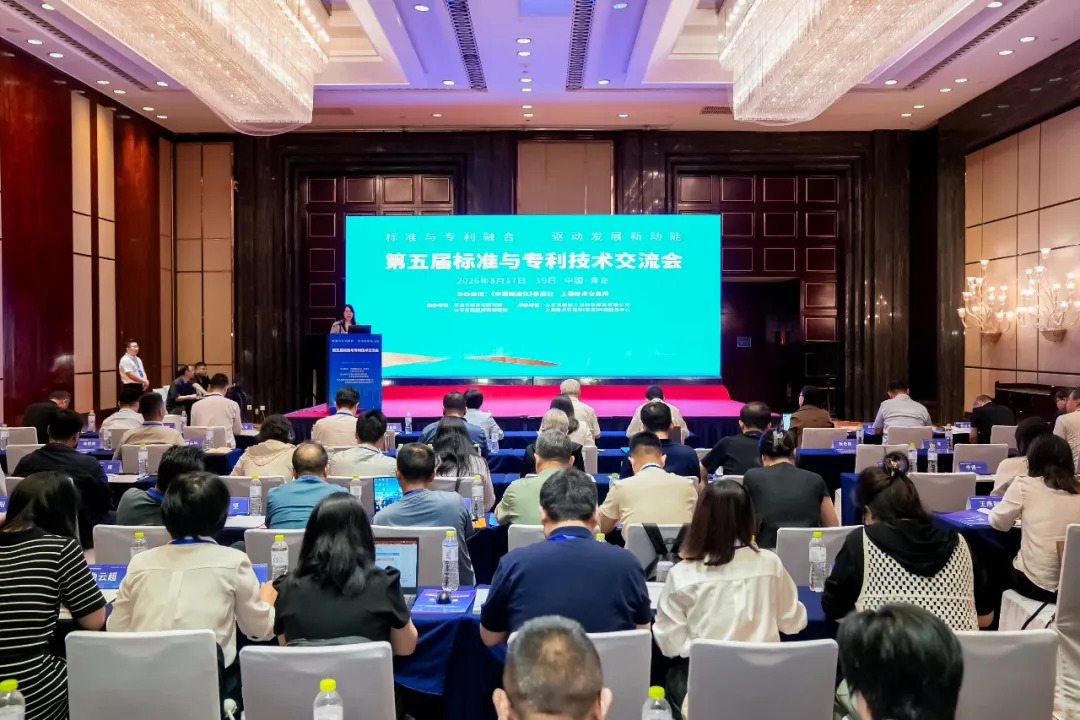
On February 3, 2026, the inaugural meeting and technical seminar for the Brain-Inspired Computing Chip Study Group, operating under the National Integrated Circuits Standardization Technical Committee (SAC/TC599), was held in Beijing. The meeting was attended by Zhao Pengfei, a Third-Level Researcher from the Electronic Information Department of the Ministry of Industry and Information Technology (MIIT), along with over 20 representatives from the founding member units of the Study Group.
In his address, Mr. Zhao noted that brain-inspired computing chips represent a cutting-edge convergence of next-generation artificial intelligence and integrated circuits. The formation of the study group is a key step in deeply integrating frontier technologies with standardization efforts. Going forward, the group should strengthen foundational research, deepen technical exchanges and collaborative discussions, advance the development of critical standards such as those for testing and evaluation, and enhance the translation of research outcomes into practical applications. This is how it will support technological innovation and the high-quality development of the brain-inspired computing chip industry.
Ren Xiang, Executive Deputy Director of the Integrated Circuit and Components Division at the China Electronics Standardization Institute (CESI), outlined SAC/TC599’s broader standardization strategy for frontier fields, noting that preliminary work on brain-inspired computing evaluation methods is already underway. As the secretariat, CESI pledged to strengthen coordination and resource integration to systematically support the Study Group, aiming to foster an open and collaborative standardization ecosystem that aligns with technological progress and innovation in brain-inspired computing chips.
Cui Xiaoxin, appointed as the Study group’s leader, subsequently outlined its work plan for 2026. In addition, three experts delivered in-depth presentations on topics including “The Industrial Landscape of Large Models and Intelligent Hardware in the Brain-Inspired Intelligence Era,” “Exploration of Brain-Inspired Intelligence Industrialization,” and “Brain-Inspired Chip Standardization: The Baton for the Brain-Inspired Industry,” offering cutting-edge insights to drive technological iteration and standard innovation. All members then engaged in thorough discussions on the Study Group’s work plan, clarifying objectives and building consensus to lay a solid foundation for future efforts.
The Brain-Inspired Computing Chip Study Group is expected to advance China’s technical standards system in this field, promoting synergy between key technology research and industrial application to meet the standardization needs of new computing paradigms. Moving forward, member units will refine implementation plans and drive progress in report compilation, technical seminars, and standards development, aiming to inject new momentum into the integrated advancement of China’s AI and integrated circuit industries.
In this cutting-edge area of brain-inspired computing, technological development and industrial standardization are becoming increasingly intertwined within China. In light of China’s model of top-down design and systematic advancement of standardization through resource integration, European companies may find it timely to reassess their own strengths in technological innovation and ecosystem development. With deep expertise in neuromorphic chip architectures, ultra-low-power computing, and foundational research, European firms are well-positioned to reinforce their technological edge. Translating academic leadership into industrial consensus could become a key strategic opportunity—offering a pathway to greater influence in shaping the standards that will define the future of brain-inspired computing.