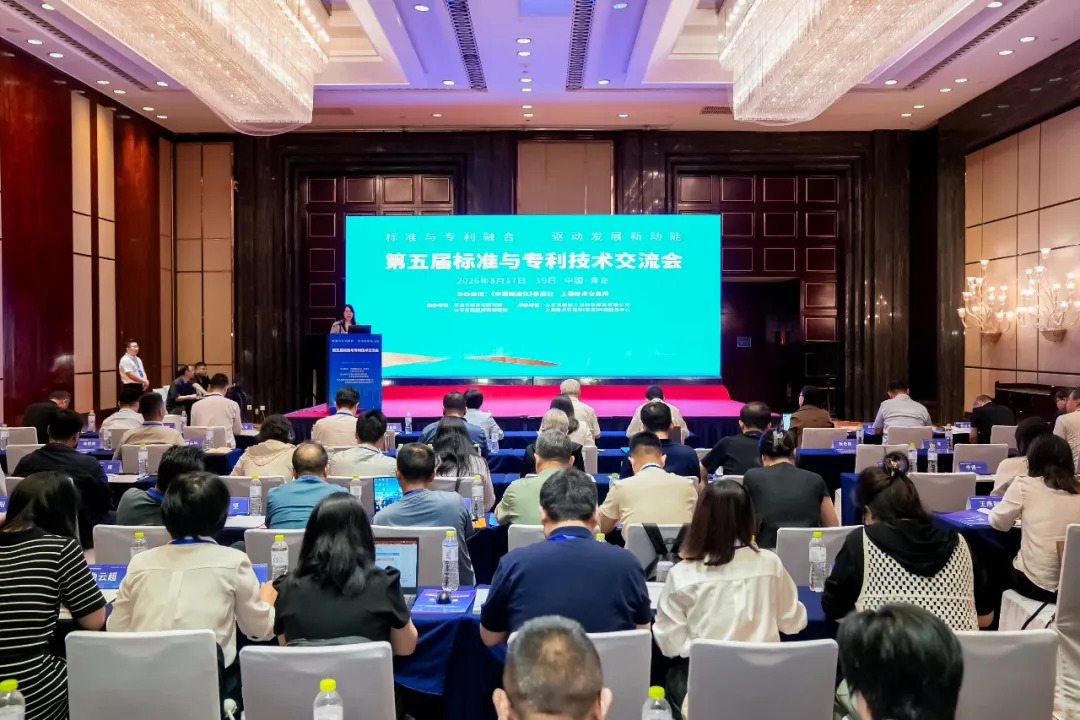
On 28 May 2026, the National Standardization Administration of China (SAC) issued a notice approving a new batch of domestic mirror committees for ISO and IEC technical committees and subcommittees. The list covers 11 technical bodies spanning sectors including digital product passports. GS1 China is the mirror committee of ISO/IEC JTC5 Digital Product Passport.
Earlier in March, China launched its first national standardization working group of digital product passport, SAC/SWG 41, with GS 1 China as its secretariat. SAC/SWG 41 aims to build China’s DPP standards framework, focusing on general and foundational requirements such as identification and carriers, and interoperability
China treats DPP as a priority areas, as it has directly impacted several pillar industries, such as batteries, textiles, and consumer electronics. Zhu Meina, the Deputy Director-General of Standards Technology Management Department under the SAC, stressed that DPP has shifted from regional policy to global issue. She called for the working group to balance international and domestic needs, general and specialized requirements, openness and security, and standards and application. She urged the group to assert China’s position in international standards-setting while staying grounded in industry realities.
On 3 June 2026, SAC/SWG 41 discussed the newly approved standards work item 20251568-T-469 Digital Product Passport (DPP)—General requirements. Experts reviewed the scope, framework, principles, stakeholder responsibilities, business processes, and core elements, and aligned on the overall technical approach of the standard. The drafting team will accelerate the preparation of the draft standard and submit it on time for public consultation.
For European stakeholders, GS1 China’s appointment as the ISO/IEC JTC5 mirror committee reflect a structured effort to develop DPP standards with both domestic and international dimensions. European industry and regulators should monitor these developments, as the Chinese technical framework will define compliance requirements for EU products entering Chinese markets and contribute to the broader global DPP architecture. Understanding the degree of alignment between China’s emerging standards and European regulatory expectations will be useful for anticipating interoperability and market access considerations.
Source: