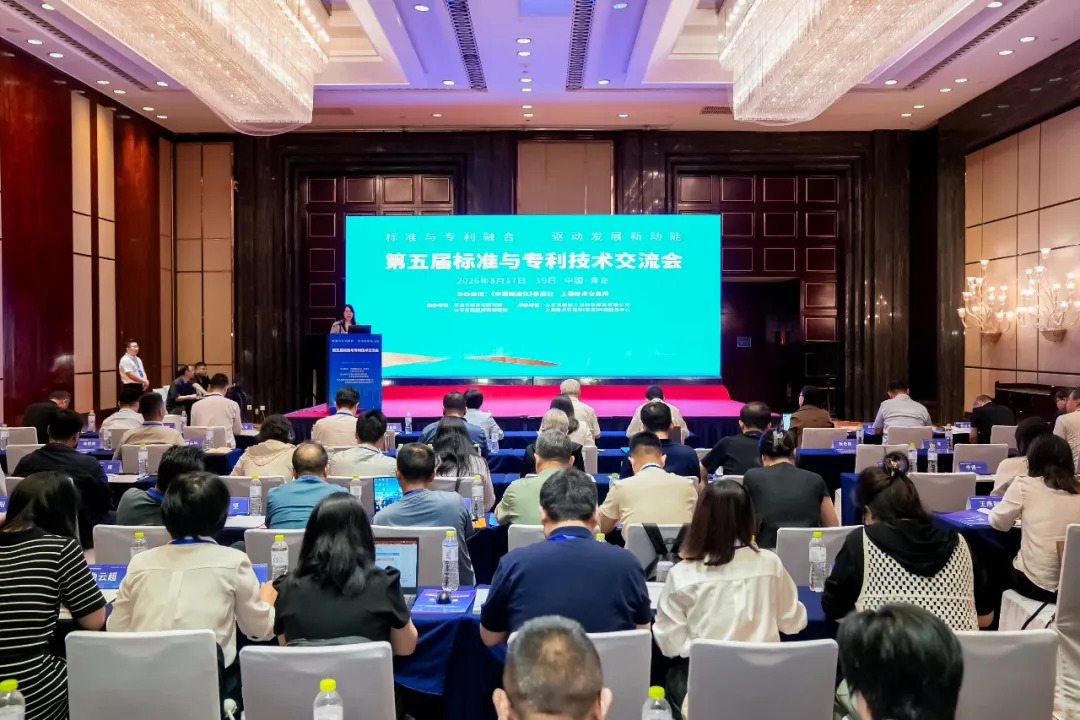
From July 29 to 31, 2026, the 67th Meeting of APEC Expert Group on Energy Efficiency and Conservation (EGEEC) and Association Workshop were successfully convened in Qianhai, Shenzhen. Hosted by the China National Institute of Standardization (CNIS) and under the guidance of the National Energy Administration of China (NEA), the event marked a key milestone in the APEC China Year 2026 energy agenda.
Bringing together nearly 50 delegates from APEC member economies, the Energy Working Group (EWG) and its subsidiary bodies, as well as international organizations and research institutions, the meeting was chaired by EGEEC Chair and CNIS Chief Researcher Liu Meng. Themed “Enhancing System-Level Energy Efficiency: APEC Policy Coordination and Innovative Regional Energy Services,” the three-day gathering provided a high-level platform for in-depth discussions on a wide range of critical issues, including the advancement of key tasks and implementation progress under the APEC EWG framework, policy coordination for system-level energy efficiency, innovative models for regional energy services, the integrated development of artificial intelligence and energy data centers (AI + Energy), as well as best practices for energy conservation and carbon reduction in priority sectors.
Chinese experts, organized by Chair Liu, shared the country’s recent experience in leveraging digitalization and AI to enable refined energy management and to build regional energy service platforms. In addition, CNIS Associate Researcher Liu Ren presented the preliminary progress of the APEC 2026 Phase I project titled “Promotion and Deployment of High-Efficiency, Low-Carbon Room Air Conditioners in the APEC Region: Policies, Standards and Best Practices,” which is undertaken by CNIS.
Delegates from various APEC member economies highly commended China’s leading role in promoting regional energy efficiency improvements. They also reached multiple practical consensuses on strengthening policy coordination across the Asia-Pacific, advancing mutual recognition of energy efficiency standards, and deepening standardization collaboration, which are seen as vital to accelerating the region’s green and low-carbon transition.
The EGEEC, as one of four expert groups under the APEC EWG, serves as the premier mechanism for driving APEC’s energy efficiency targets. Entrusted by the NEA, CNIS acts as the domestic and international counterpart for EGEEC affairs.
These outcomes are expected to make a significant contribution to achieving the APEC goal of reducing energy intensity and fostering sustainable energy development throughout the region. For European stakeholders, the meeting’s outcomes are worth noting. The regional push for greater policy coordination and standards alignment may gradually reshape the market landscape for energy-efficient products. The EU’s established experience in this field could open doors for future collaboration, while its stakeholders may also wish to keep an eye on how evolving APEC standards could influence competitive conditions in key markets.