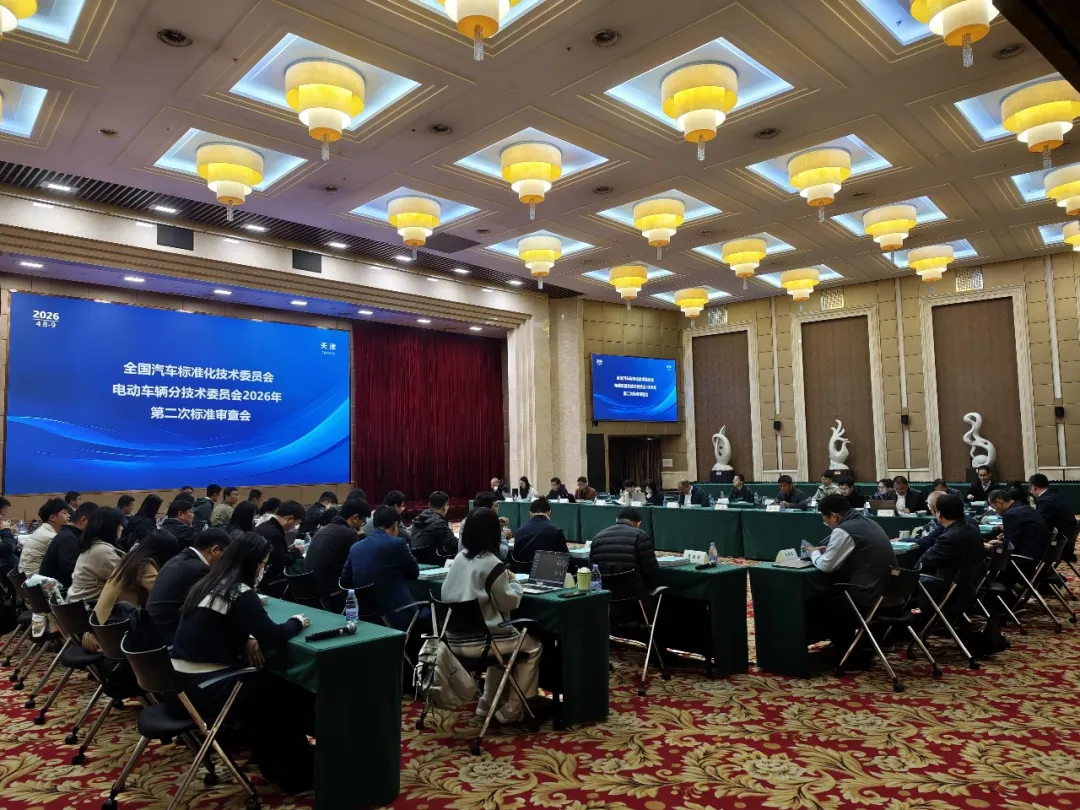
On 30 July 2026, China published GB 44721-2026 Intelligent and connected vehicle – Safety requirements for automated driving system, its first mandatory national standard for Level 3 (conditional) and Level 4 (high) automated driving systems. The standard is developed by the Subcommittee for Intelligent and Connected Vehicle under the National Technical Committee on Auto (SAC/TC114/SC34). It is scheduled to enter into force on 1 July 2027. It applies to passenger and goods vehicles (Categories M and N), excluding automatic parking systems.
The standard upgrades its 2024 predecessor from recommended (GB/T) to mandatory (GB), establishing a legally binding safety floor for market access. This marks a regulatory shift in which compliance is no longer voluntary, and manufacturers face compulsory accountability across the full product lifecycle.
Four Regulatory Pillars are put in this new mandatory standard
- Corporate Lifecycle Responsibility: Manufacturers must embed safety governance across design, production, and post-sale operations (policy, risk management, assurance, and continuous improvement). They must also verify systems through simulation, proving-ground, and road testing.
- Performance Benchmark: Automated driving systems must perform at least as safely as a competent, attentive human driver, without posing unreasonable risk to other road users. The standard defines scenario-specific requirements and mandates minimum-risk maneuvers when systems must exit.
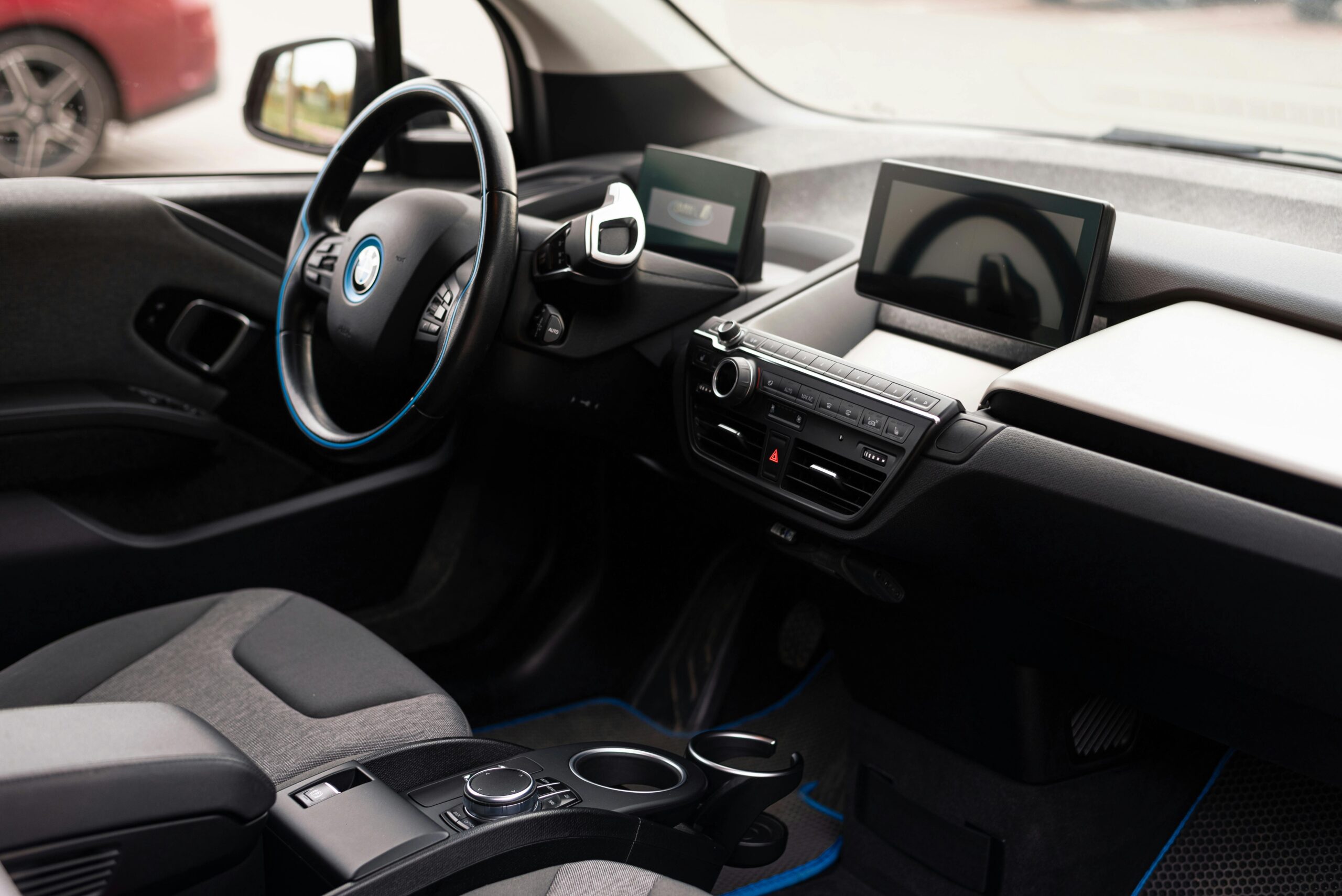
- User Transparency & Oversight: Activation and deactivation must be safe and clearly signaled. L3 systems must monitor driver readiness to resume control. Beyond the owner’s manual, manufacturers must proactively disclose capability limits, user responsibilities, and system boundaries via dashboards, websites, and other channels to prevent misuse.
- Independent Verification: A three-layer compliance regime requires: (a) corporate safety-capability review; (b) safety dossier audit; and (c) third-party confirmatory testing combining simulation, proving-ground, and road tests under companion standards.
International Alignment
The standard aligns with the UN Global Technical Regulation on Autonomous Driving Systems (ADS GTR), which China led and which was adopted in June 2026. However, China’s rule goes further by adding granular L3/L4 distinctions, clearer safety boundaries, stronger user-communication obligations, and test scenarios tailored to domestic traffic conditions.
By converting technical safety expectations into enforceable national rules, GB 44721-2026 creates a common compliance baseline that reduces regulatory uncertainty for industry while raising the cost of market entry for underprepared players. It reinforces enterprise liability, protects public road safety, and provides the institutional clarity needed to accelerate commercial deployment.
Going forwards, MIIT will enforce the standard through product type-approval and is building out supporting rules on data logging and incident management to complete the regulatory framework.
SESEC strongly advises European stakeholders to thoroughly review this new mandatory national standard, identify specific divergences from international requirements, and assess the associated costs of compliance adaptation.
Source: https://www.miit.gov.cn/xwfb/gxdt/sjdt/art/2026/art_16d1319a933d4ffd8501e60dc4d88491.html