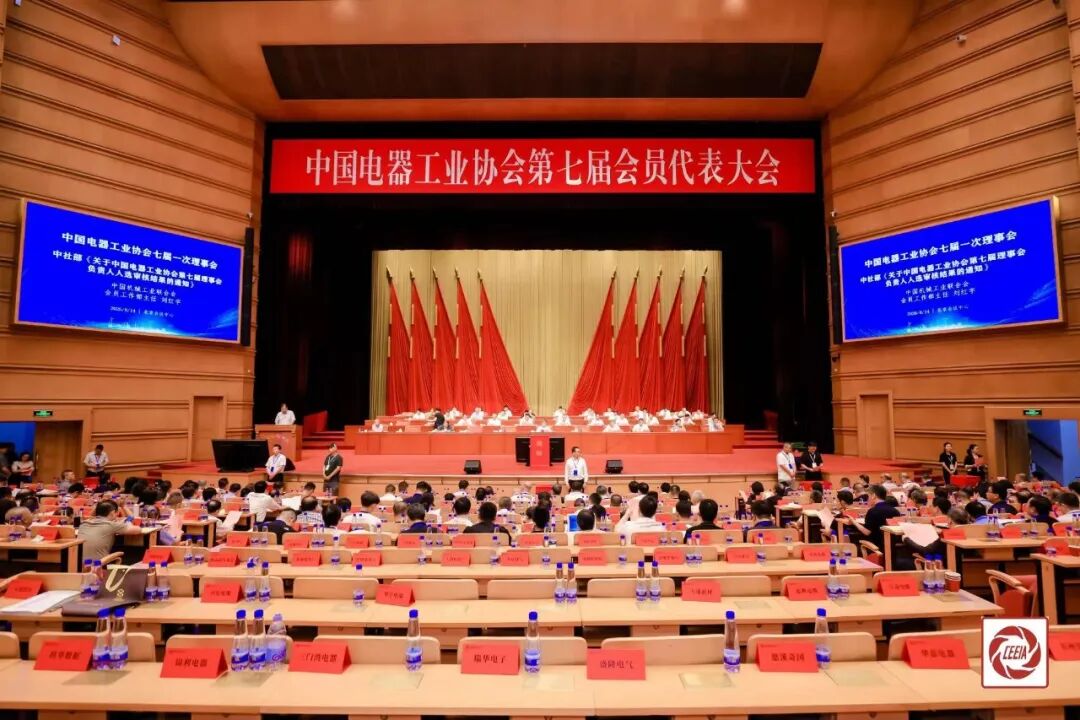
On April 15, 2026, two key technical standards for China’s National Integrated Computing Network are currently under development, as over 60 experts and industry representatives convened in Beijing to review draft versions of the documents. The standards are:
- 20260030-Z-907 National Integrated Computing Network—Technical requirements for pooling of computing power resource in artificial intelligent computing infrastructure
- 20260025-Z-907 National Integrated Computing Network—Technical requirements for network connection of computing power resources
Participants included representatives from the China Electronics Standardization Institute (CESI), Beijing Jiaotong University, the National Data Development Research Institute, China Telecom, China Unicom, China Mobile, Beijing University of Posts and Telecommunications, and Jiangsu Future Network Group.
During the meeting, drafting teams led by China Mobile Research Institute and Jiangsu Future Network Group presented the proposed technical frameworks, core clauses, and design rationale behind the two draft standards. Attendees shared practical experience from areas such as computing resource scheduling, service provisioning, network collaboration, and industrial applications. Discussions focused on technical robustness, content completeness, scenario adaptability, and operational feasibility, with participants offering targeted suggestions for revision.
The two standards are part of a broader set of 12 national standard projects formally initiated in January 2026 under the framework of the National Integrated Computing Network, with the National Technical Committee 609 on Data (SAC/TC609) responsible for their management. The other 10 standards projects include:
- 20260031-Z-907 National integrated computing power network—Guidelines for monitoring and scheduling platform
- 20260034-Z-907 National integrated computing power network—Basic requirements for the network transmission service capacity of the public transmission channel
- 20260023-Z-907 National Integrated Computing Network-Calculation Standard for Proportion of Green Electricity in Data Centers
- 20260033-Z-907 National Integrated Computing Network-Technical requirements for computing power and efficiency measurement
- 20260027-Z-907 National Integrated Computing Network—Technical requirements for management and scheduling of computing power resources
- 20260032-Z-907 National Integrated Computing Network—Technical requirements for computing power measurement and billing
- 20260026-Z-907 National Integrated Computing Network—Technical Requirements of Computility Operation Service and Transaction Matching for Computility Network
- 20260029-Z-907 National Integrated Computing Network—Interface Requirements for Computing Power Monitoring
- 20260028-Z-907 Computing power network—Requirements for evaluation indicators of computing power resources nodes
- 20260024-Z-907 National Integrated Computing Network—Security protection requirements
The overarching policy basis for these standardization efforts is the 2023 policy document titled Implementation Opinions of the National Development and Reform Commission and Other Ministries and Commissions on In-depth Implementation of the “East-to-West Computing Resource Transfer Project” to Accelerate the Construction of a National Integrated Computing Power Network. The document outlines a national strategy to enable cross-regional coordination and integrated deployment of computing resources, and these 12 standards covering critical areas such as monitoring and dispatch, network transmission, green and low-carbon operations are intended to serve as key technical enablers for its implementation.
These 12 draft standards show China is systematizing its national computing network. For European firms, market access will require compliance with these specifications, especially on computing metering, monitoring interfaces, and resource scheduling protocols. As drafts remain open for comment, European stakeholders may submit formal feedback to incorporate their technical expertise into the standardization process. Adapting to China’s standards is becoming a prerequisite.
Source: https://mp.weixin.qq.com/s/KzVoHSiItSxM2a8JcF1Oxw
https://www.tc609.org.cn/tc609/tzgg/202601/dfa298b188f240c3aec589614a3abdc9.shtml