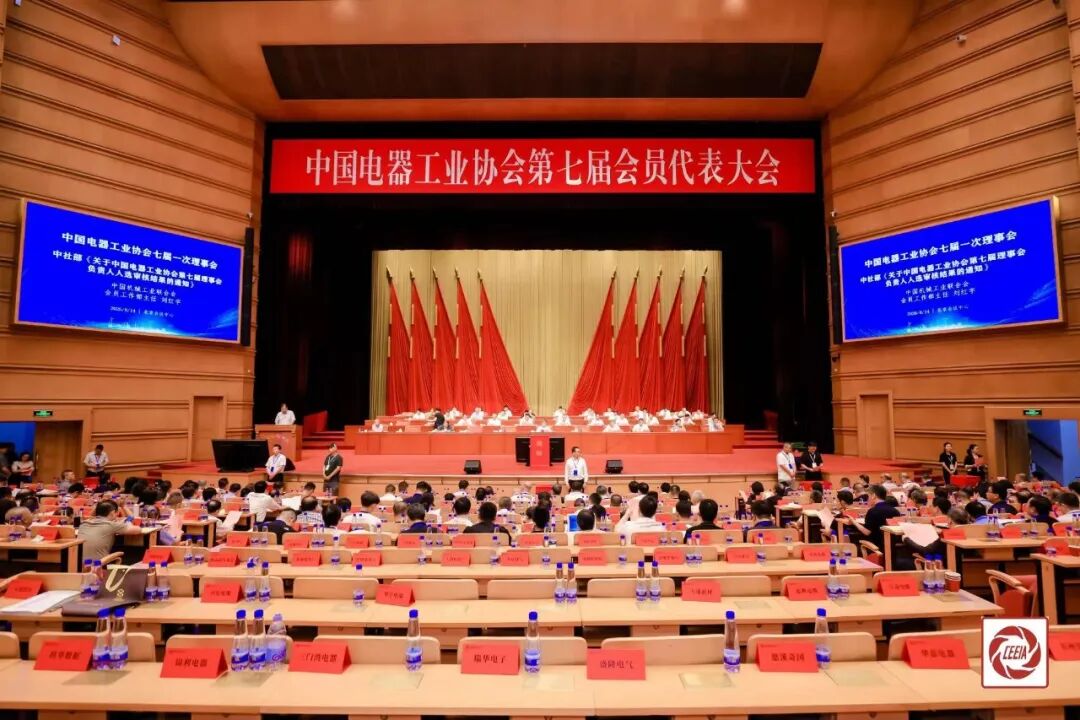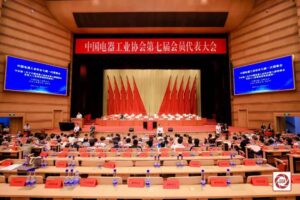
On April 16, 2026, the inaugural meeting of the sixth session of the National Technical Committee of Auto Standardization (SAC/TC114) was held in Beijing, which marks official launch of the new committee. Its secretariat is hosted by the China Automotive Technology & Research Center (CATARC). The sixth committee has 78 members from government ministries, CATARC, major Chinese automakers, EV startups, and universities, including a few joint ventures like FAW-Toyota and SAIC-Volkswagen.
First established in 1988, SAC/TC114 is the largest professional standardization body in China, overseeing 29 subcommittees. By the end of 2025 (the conclusion of the 14th Five-Year Plan period), it had issued 1,650 national and sector standards, forming a full life-cycle system. The committee also actively participates in international frameworks such as the UNECE World Forum for Harmonization of Vehicle Regulations (WP.29), ISO, and IEC, holding nearly 40 key positions and leading over 30 global technical regulations and international standards.
Xin Guobin, Vice Minister of Industry and Information Technology (MIIT), attended the meeting and delivered a speech. Xin emphasized the importance of standardization as a foundational and strategic tool for industry development. He called for a forward-looking auto standards system for the 15th Five-Year Plan period, accelerated formulation of standards for autonomous driving, data security, cybersecurity, carbon footprint accounting, and automotive artificial intelligence. He also urged deeper participation in global regulatory coordination to promote standards alignment and mutual recognition of testing and inspection results, thereby supporting the international expansion of China’s automotive sector.
Zhu Meina, Deputy Director General of the Department of Standards Technology of the National Standardization Administration (SAC) noted that the fifth committee significant progress in system development, governance efficiency, public outreach, and international cooperation. For the sixth session, she called for better top-level design, improved working mechanisms, stronger organizational capacity, and deeper global engagement.
An Tiecheng, Chairman of CATARC and Secretary General of the sixth SAC/TC114, reported on key achievements during the 14th Five-Year Plan period. He also outlined plans for the 15th Five-Year Plan period, including refining the standards system, strengthening institutional capacity, enhancing implementation and communication, and deepening international collaboration.
The meeting approved the new committee’s charter and secretariat rules. Discussions focused on the technical standards framework for the automotive industry during the 15th Five-Year Plan period and organizational innovation.
For European enterprises, competitiveness in the Chinese market will increasingly hinge on engagement with emerging Chinese standards for autonomous driving, data security, cybersecurity, carbon footprint accounting, and automotive AI, rather than on product parameters alone. Data compliance and life-cycle carbon footprint accounting are becoming binding market access requirements. China’s push for standards alignment and mutual recognition of testing results could reduce EU-China duplicate certification costs, while also meaning that Chinese-standard-compliant vehicles will gain global competitiveness. European firms should therefore establish proactive mechanisms to track and participate in China’s standard-setting processes, securing technical alignment at the rule-making stage to avoid later compliance risks.
Source: https://wap.miit.gov.cn/xwfb/bldhd/art/2026/art_d7740e6c58d442fbaeb6dc3e9ed0d35e.html
https://www.catarc.ac.cn/mobile/detail/a76d168c132046d5bccdb1da5a889968