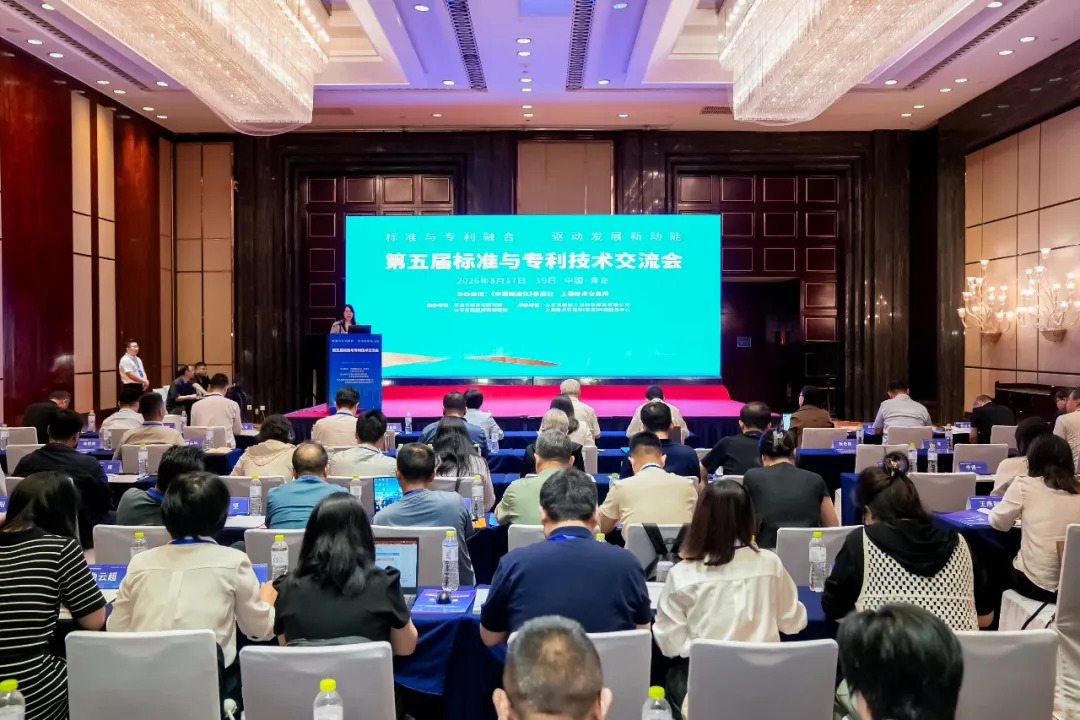
On March 27, 2026, the inaugural meeting and first plenary session of the National Standardization Working Group for Digital Product Passports (SAC/SWG41) was held in Beijing, marking the official establishment of China’s first national technical standardization body dedicated to Digital Product Passports (DPP). The working group’s secretariat is hosted by the GS1 China.
SAC/SWG41 is responsible for standardization of DPP in foundational and general areas, identification and carriers, interoperability, and other related domains. It will establish and improve the national DPP standards system, prioritizing foundational and key technical standards, while advancing application standards for key industries. The first working group consists of 43 members from diverse sectors, including market regulation, commerce, customs, information and communications technology, textiles, batteries, and automotive. Members represent government agencies, research institutes, universities, and leading enterprises. Siemens China is currently the only foreign company participating in this standardization group.
A DPP is an electronic record that shares product information, such as production, certification, circulation, and recycling, among supply chain operators, regulators, and consumers. It enables rapid market access and real‑time lifecycle traceability, and is seen as a key tool for green industrial transformation and sustainable development. With the EU mandating DPP for batteries and textiles, China are now adapting to these new regulatory expectations. The formation of a national DPP working group in China reflects a proactive standardization effort to engage constructively with this challenge.
At the inaugural meeting, the representative from the State Administration for Market Regulation (SAMR) emphasized that global trade rules are undergoing profound changes, with green, low-carbon, and sustainable development becoming key market access conditions worldwide. DPP has evolved from a regional policy into a global issue. The SAMR representative urged the working group to properly balance four relationships—international and domestic, general and specific, openness and security, and standards and application—and to actively voice and lead in international standard-setting while staying close to industry realities. Moreover, at the plenary session, the working group’s charter and other institutional documents were approved. Members also held in-depth discussions on the standards framework and work plan. The convening of this meeting marks the beginning of a new phase of systematic progress in China’s DPP standardization efforts.
The establishment of China’s first national DPP working group signals that the DPP framework, originally an EU regional policy, is now attracting coordinated standardization responses beyond Europe, suggesting its potential relevance on a broader international scale. China’s unified standards system and openness to foreign participants, such as Siemens China, offer potential for EU‑China alignment and lower compliance costs. At the same time, its principle of balancing openness with security also means that European companies operating in China would need to navigate both two‑way DPP requirements and cross‑border data considerations. European companies are encouraged to follow the example of Siemens China by engaging early in China’s standard-setting process, thereby turning potential compliance considerations into cooperative advantages.
Source: https://www.sac.gov.cn/xw/bzhdt/art/2026/art_af83065c89a74f9a899ff7c0c8167f1d.html