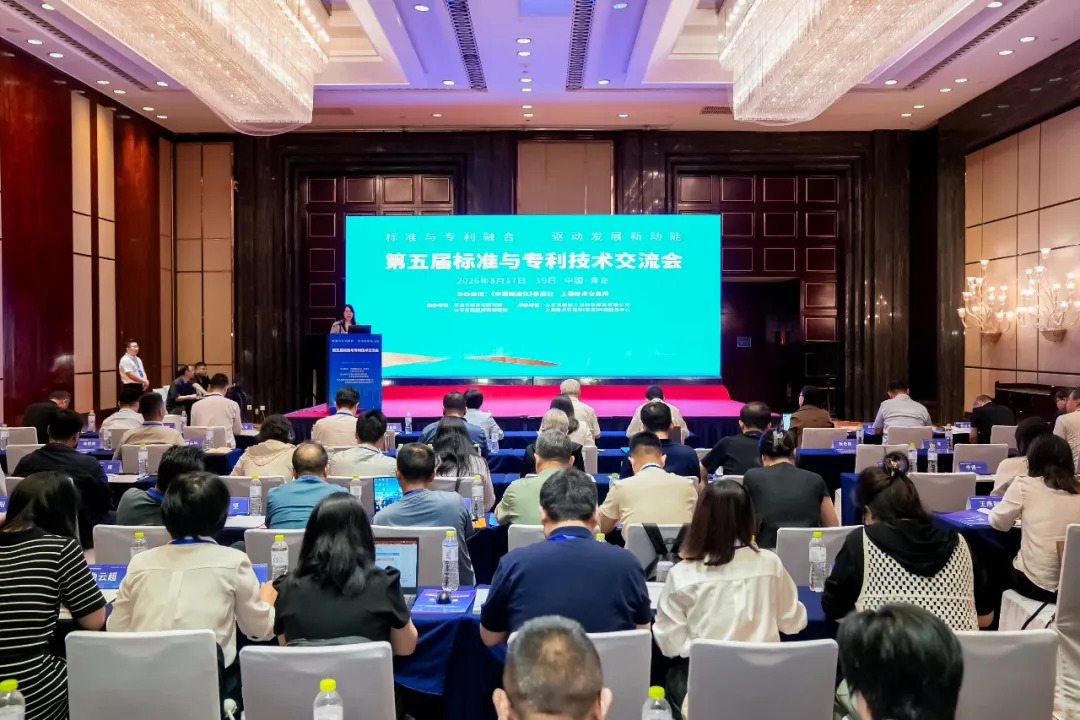
On March 4, 2026, the Workshop of UK-China Joint Working Group on Carbon Capture and Storage (CSS), co-hosted by the China National Institute of Standardization (CNIS) and the British Standards Institution (BSI), was held in Beijing in a hybrid format.
The hybrid workshop gathered over 60 representatives from key UK and Chinese government bodies, enterprises, research institutes, and universities, including the UK Department for Business and Trade, the British Embassy in Beijing, Shell China, PaceCCS (UK), and major Chinese energy research centers. The session was co-chaired by CNIS and BSI, with opening remarks from both sides. Experts reviewed CCS standardization progress, identified gaps, shared practical experiences, and outlined future cooperation plans. Industry delegates also discussed opportunities and challenges in CCS development.
Participants agreed that CCS represents a key area for green and low-carbon cooperation between China and the UK. They emphasized that standardized approaches would serve as a bridge to drive technological innovation and industrial development, facilitate bilateral trade and investment in CCS, and contribute substantively to global carbon neutrality goals.
UK-China cooperation on carbon capture, utilization, and storage (CCUS) began in 2007 with the joint launch of the Near Zero Emissions Coal (NZEC) initiative. In 2013, China Energy Engineering Group Guangdong Electric Power Design Institute, the UK CCS Research Centre, and the Scottish CCS Centre signed a memorandum on CCUS industry and academic exchange, leading to the establishment of the UK-China (Guangdong) CCUS Centre in December of that year—a key bilateral cooperation platform. In 2019, the Guangdong Carbon Capture Testing Platform, funded by China Resources Power and co-designed by the UK-China (Guangdong) CCUS Centre, commenced operation. It became Asia’s first multi-technology open-access international carbon capture testing facility and one of the world’s three major carbon capture technology test bases. In 2025, CCUS was designated a priority area under the UK-China Clean Energy Partnership MoU, with an academic seminar held steering cooperation toward policy alignment and industrial deployment.
Building on over a decade of technical collaboration and demonstration, the standardization workshop marked a new phase in bilateral CCS/CCUS cooperation, transitioning from technology development and demonstration to standardization alignment. Notably, China’s CCUS standards system is rapidly taking shape: 12 national standards covering capture, transport, storage, and emission reduction assessment were issued between late 2025 and early 2026 (effective July 2026) (See more details from our news coverage), and the Energy Industry CCUS Standardization Technical Committee (See more details from our news coverage) was officially established in March 2026 to drive full-chain standardization.
The UK-China CCS standardization workshop may signal a shift in bilateral cooperation from technology demonstration to a new phase of standard alignment. European companies are advised to seize this window of opportunity and engage proactively in China’s CCUS standard-setting process, so as to secure future market access advantages and take a proactive role in shaping global rules.
Source: https://www.cnis.ac.cn/bydt/zhxw/202603/t20260311_62542.html
http://www.gdccus.org/col.jsp?id=110
http://www.sasac.gov.cn/n2588025/n2588124/c11304251/content.html
https://www.cpnn.com.cn/qiye/jishu2023/202503/t20250321_1783987.html