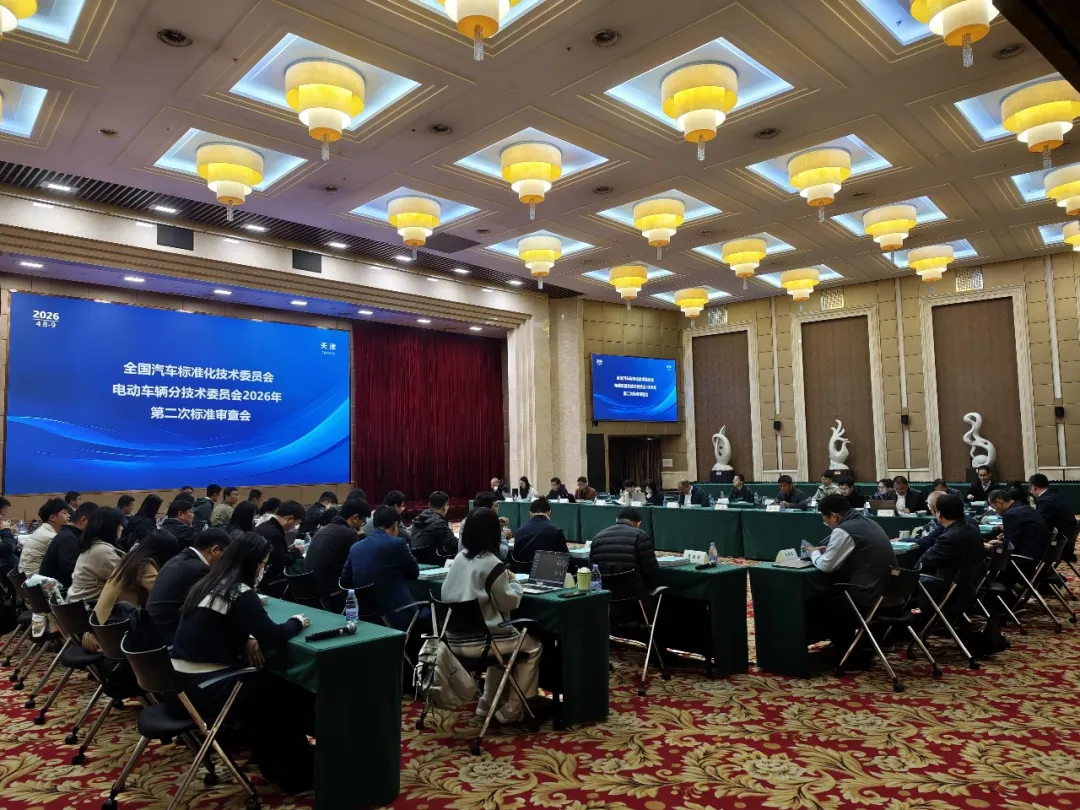
On 16 April 2026, the Ministry of Industry and Information Technology (MIIT) launched a Call for Comment on two autonomous driving mandatory standards, open until 22 April 2026. The consultation signals a decisive step in China’s regulatory framework for intelligent and connected vehicles, addressing both the booming L2 driver assistance market and the data infrastructure needed for higher levels of automation.
1. 20254323-Q-339 Intelligent and connected vehicle — Safety requirements of combined driver assistance system
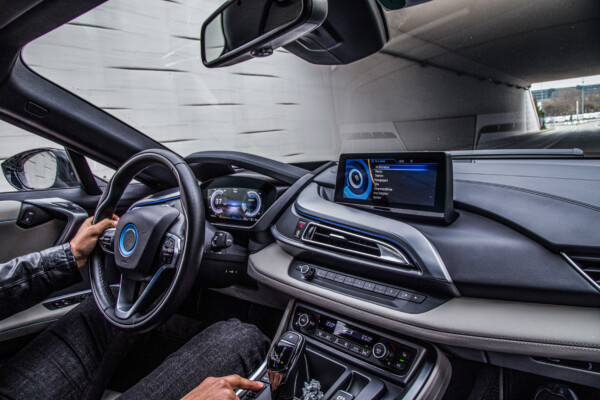
This proposal targets Level 2 combined driver assistance systems, the technology that handles steering and speed while requiring the driver to stay alert. These systems now feature in over half of new energy vehicles sold in China, but a string of accidents linked to driver overreliance has pushed regulators to act.
The proposed rules would force carmakers to install stricter driver monitoring, meaning the car must detect if the driver’s hands leave the wheel and if their eyes leave the road. If a driver repeatedly ignores warnings, the system must lock itself out for a set period. Carmakers must also prove drivers have been trained on how to use the system before it can activate. Crucially, the cars must record key data onboard to help investigators reconstruct what happened in a crash.
The Chinese proposal goes further than current UN regulations on several fronts. Where UN rules allow some flexibility on highway driving, China’s draft insists on constant hands-on monitoring with no exceptions. It also adds data recording requirements that do not exist in the UN framework, and expands crash-test scenarios to cover more real-world Chinese road conditions, including construction zones and vulnerable road users like children and motorcyclists. If adopted, the rules would take effect on 1 January 2027.
- GB 44497-2024 Intelligent and connected vehicle – Data storage system for automated driving
The second item under consultation is an official English translation of GB 44497-2024, a mandatory standard already in force since January 2026 that governs data recording systems for Level 3 automated vehicles. These are the systems that can drive themselves in specific conditions but require the driver to take over when requested.
China is not merely translating a technical document. By producing an authoritative English version, China is positioning its regulatory framework as a reference point for international harmonization. The standard was developed with input from Volkswagen China and the German Association of the Automotive Industry(VDA) , suggesting deliberate outreach to European stakeholders.
Like the UN’s emerging DSSAD regulation, China’s standard aims to ensure crash data is preserved and retrievable. But where UN texts leave many technical details to manufacturer discretion, the Chinese standard prescribes exact specifications, for example, how precisely speed and location must be recorded, what file formats must be used, and which data retrieval protocols are mandatory. This reflects a governance philosophy that favors regulatory clarity and government oversight over industry self-certification.
Conclusion
For European stakeholders, these two standards carry distinct but related implications. Carmakers and system developers should review potential technical divergences between European and Chinese L2 safety requirements once the text is adopted. Meanwhile, the English translation of GB 44497-2024 offers practical clarity for designing L3 systems that can meet both UN and Chinese requirements, though the two frameworks now differ in their level of prescriptive detail. The involvement of Volkswagen China and the VDA in the translation effort suggests ongoing channels for European input, even as China develops its own regulatory path.
Source: https://www.miit.gov.cn/jgsj/kjs/jscx/bzgf/art/2026/art_6d919ccb6ac34cc09533370a2a30d7e5.html