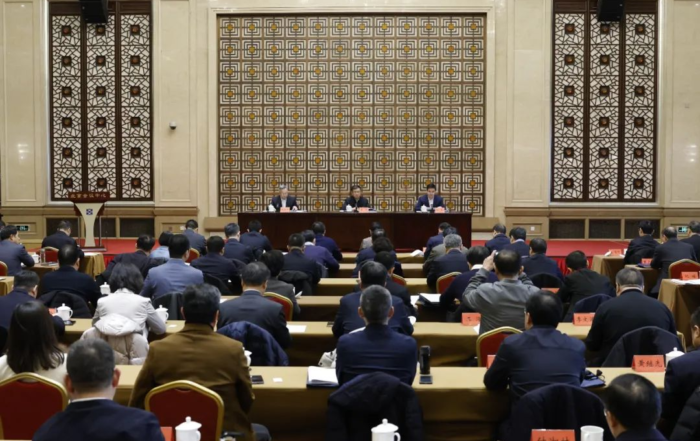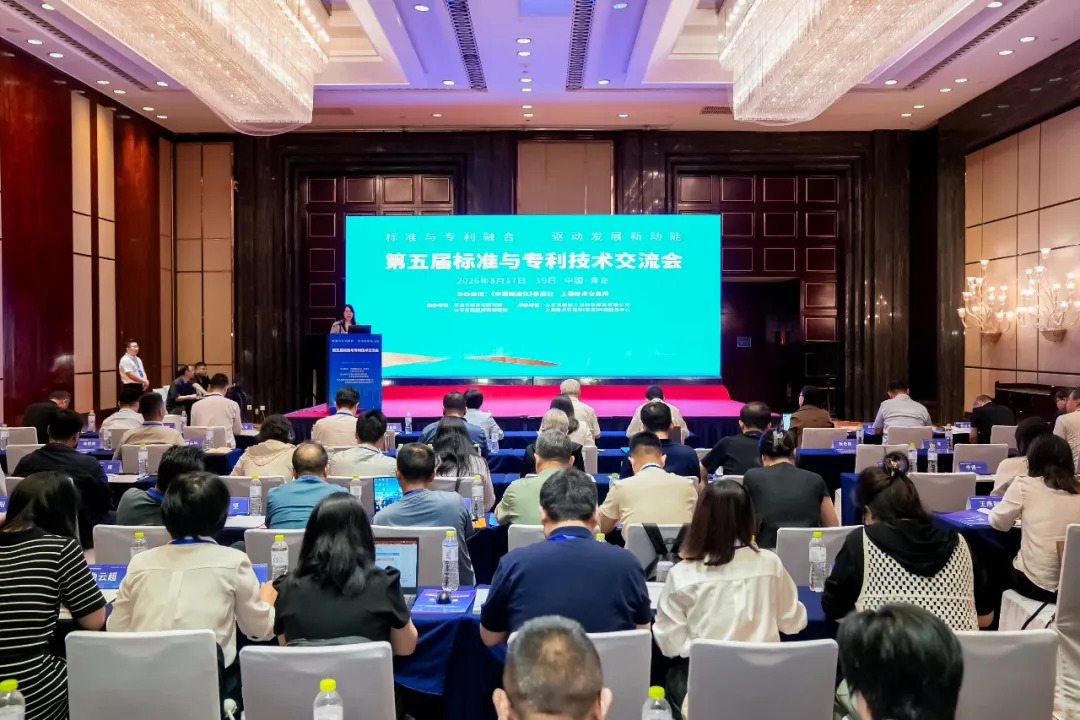
On March 3, 2026, the State Administration for Market Regulation (SAMR) issued the Action Plan for Enhancing Smart Regulatory Capacity in Inspection and Testing, seeking to modernize supervision in the inspection and testing industry. Guided by the principles of digital governance, the plan aims to harness intelligent technologies to reshape regulatory concepts and models, with a particular focus on strengthening deep-dive and off-site supervision.
By the end of 2027, the plan aims to complete a unified national smart regulatory platform for inspection and testing. This platform will enable comprehensive data integration and sharing, support deep application of AI and big data, and promote the widespread adoption of smart evaluation and other innovations. The ultimate goal is to establish an interconnected regulatory framework that operates seamlessly across levels and functions, significantly enhancing regulatory efficiency.
Specifically, regarding the data foundation, the plan outlines four measures: conducting data quality self-inspections to identify system issues and establish routine controls; improving data collection quality by adjusting data structures and formats; opening data-sharing channels across all levels and business lines to build a national integration system; and developing unified data standards for full-chain standardized management. Moreover, China will phase in a unified national smart regulatory platform for the industry. By March 2026, a development plan will be finalized, covering qualification approval, assessor management, and institutional supervision. By December 2027, the platform will go live, enabling integrated data sharing, digitalized business management, and traceable report verification.
To integrate digital and AI tools into supervision, three digital initiatives will be rolled out, including a unified coding and verification system to give each test report a unique, traceable, and tamper-proof identifier; a risk-analysis and early-warning system that integrates institutional profiles, credit ratings, and penalty records for predictive supervision; and an AI large language model trained on technical capabilities, equipment, and personnel data to boost regulatory precision and support internal compliance. To encourage demonstration projects, China will support local market regulators in piloting “AI + supervision,” “AI + approval,” and “AI + industry governance” within the testing sector, leveraging big data and cloud computing. Provincial authorities will be encouraged to help local institutions build “lighthouse laboratories” and integrate their digital systems with the national smart supervision platform.
China’s push for smart supervision in the inspection and testing sector will have two main implications for EU companies. For EU exports to China, stricter authenticity and traceability rules for testing reports will require products to meet new verifiable standards. For EU imports from China, Chinese labs’ growing digital capabilities allow local suppliers to obtain EU certification faster and at lower cost, potentially intensifying competition in European markets. Meanwhile, EU-China digital mutual recognition on testing remains at an early stage, and the alignment of data interfaces and traceability standards will shape future trade ease between the two economies.
Source: samr.gov.cn/xw/sj/art/2026/art_8aea49d2b4dc4b62b02788cb464f27d8.html