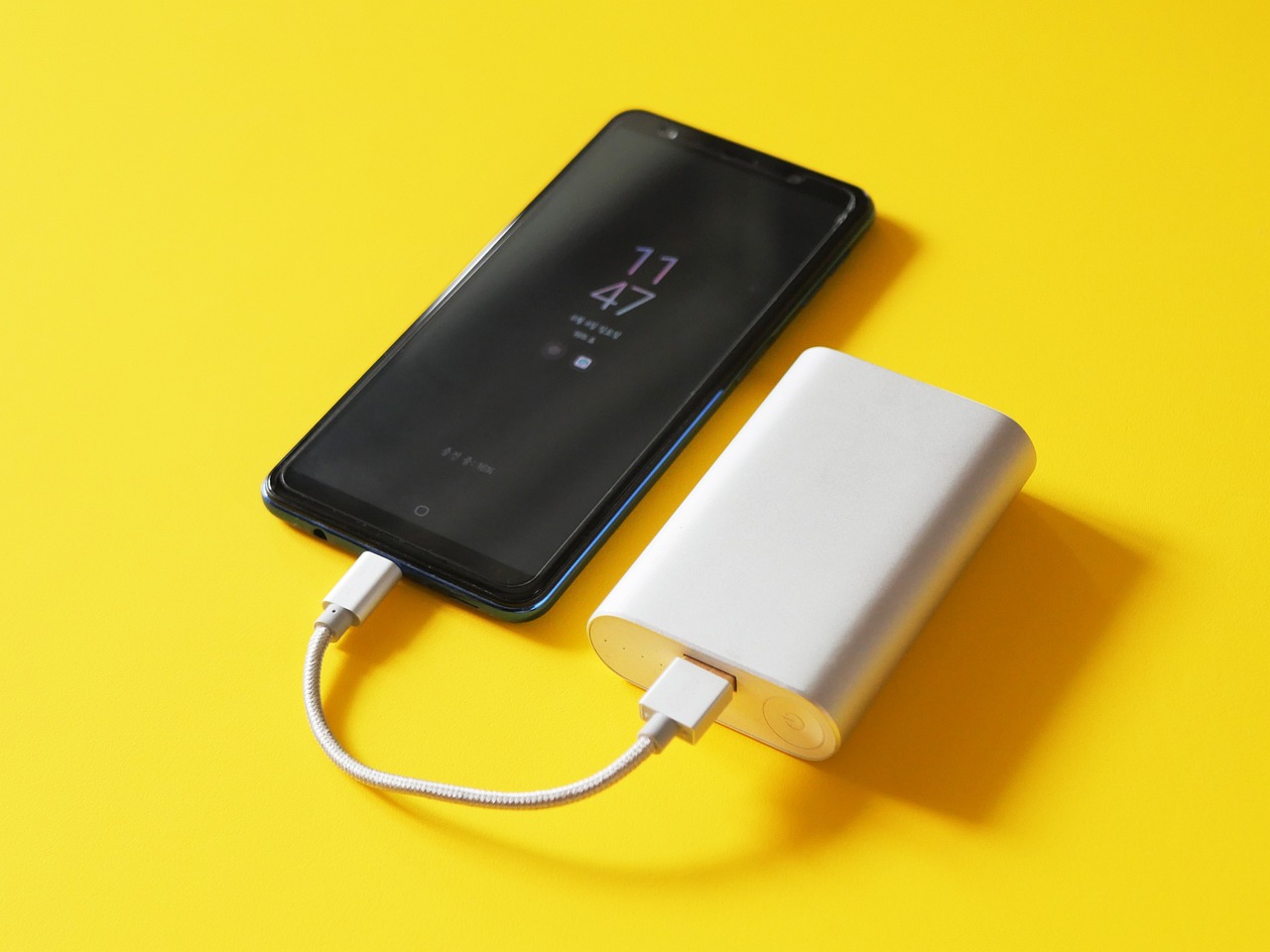
In November 2025, China advanced three mandatory national standard drafts toward final approval and also progressed the translation of two foundational safety standards into English, as part of efforts to enhance both domestic consumer safety and international regulatory alignment. The three new standards, covering portable power banks, lithium-ion batteries used in children’s toys, and a revised safety requirement for electric vehicles (EVs), aim to address growing safety risks in these rapidly evolving sectors. The Safety technical specification for power bank and the Safety of lithium ion cells and batteries used in electronic and electrical equipment —Part 4: toys are open for public comments from November 12 to December 11, 2025. Meanwhile the revised GB 18384 Electric vehicles safety requirements and the two translation drafts for GB 19517-2023 National technical specification for the safety of electric equipments and GB 1002-2024 Single phase plugs and socket-outlets for household and similar purposes Types, basic parameters and dimensions were open for feedback from November 1 to November 7, 2025.
Specifically, the mandatory national standard on power bank introduces stricter safety test requirements, such as thermal abuse and overcharge testing. It applies to power banks with an AC 220V or DC ≤250V input, excluding automotive jump starters, while specifying type-test items for both battery cells and finished power banks, including key safety tests like overcharge, crush, nail penetration, and aging lithium plating. A 12-month transition period is proposed post-publication, after which it will be enforced under relevant regulations and notified to the WTOTBT Secretariat. Moreover, the standard on lithium-ion batteries used in children’s toys specifies corresponding safety requirements and test methods. Its scope is applicable to lithium-ion cells and batteries for toys with a maximum output voltage not exceeding 24 V DC, and also applies to similar lithium-ion cells and batteries for children’s and infant products. Notably, it is stipulated that second-life batteries shall not be used in toy products; battery packs shall be equipped with appropriate protection circuits to activate protective measures when voltage, current, or temperature abnormalities occur in the cell or battery pack, ensuring operation within specified parameters and preventing further hazards.
In addition, the revised standard on EVs, set to replace the current 2020 version, aims to address evolving challenges in the EV sector. It introduces new vehicle undercarriage protection test, enhances electrical and functional safety requirements, and refines testing and verification methods. It is recommended that the standard be implemented on July 1, 2026, applying immediately to newly applied vehicle type approvals, while taking effect from the 13th month after implementation for already approved vehicle types. Regarding the English version of the GB 19517-2023 and GB 1002-2024, the purpose is to provide official foreign-language references to facilitate international trade and compliance in terms of low-voltage electrical equipment and single phase plugs and socket-outlets.
The new mandatory standards will significantly impact foreign enterprises by raising compliance costs, tightening adaptation timelines, and elevating technical barriers—such as banning second-life batteries in toys. While English translations improve regulatory transparency, foreign firms must actively engage in China’s standard-setting process to maintain competitiveness.
Chinese sources of the article: https://wap.miit.gov.cn/jgsj/kjs/jscx/bzgf/art/2025/art_9251d4edd5774370940628dc93fd8729.html
https://wap.miit.gov.cn/jgsj/kjs/jscx/bzgf/art/2025/art_745387c2edf7400085950e1d54c364aa.html